
Find Cheap Ammunition That’s Still Reliable for Target Practice
Shooting on a budget shouldn’t mean shooting less, and that’s exactly where cheap ammunition steps in to keep your trigger finger busy without emptying your wallet. By using simpler casings, lighter projectiles, or bulk manufacturing methods, it delivers reliable function for range practice, plinking, and zeroing in your sights. It works best for high-volume sessions where tight accuracy matters less than repetition, so you can build muscle memory and have fun without flinching at the cost per round.
How to Spot High-Quality Budget Rounds Without Overpaying
To spot high-quality budget rounds without overpaying, first inspect the cartridge case for uniform primer seating and a clean, crimped case mouth; inconsistent crimping often signals sloppy manufacturing. Compare the bullet’s seating depth and concentricity by rolling a round on a flat surface—wobble indicates poor QC, even in cheap ammunition. Look for a consistent, hard sealant around the primer and bullet base, which prevents moisture ingress without adding cost. Avoid paying extra for polished brass or flashy packaging; budget rounds with minor cosmetic tarnish often shoot identically to premium-priced batches. Instead, buy one small box, fire ten rounds, and check for extreme velocity spreads or sticky bolt lift—two reliable signs of powder charge consistency. Price per round matters less than price per accurate group, so a mediocre batch at 40 cents is worse than a great one at 45 cents. Reject any round with dents, scratches near the neck, or loose projectiles that spin freely in the case. Trust your firearm’s extraction pattern—clean, uniform ejector marks indicate safe pressure, while flattened primers demand immediate rejection. Stick to well-known budget brands, but verify lot numbers; a lucky lot from a discount line outperforms a premium line’s bad batch every time.
Key Indicators of Reliable Low-Cost Cartridges
Reliable low-cost cartridges reveal their quality through consistent case dimensions, as brass that resists stretching after extraction indicates proper heat treatment. Check primer seating; a flush, uniform primer pocket avoids misfires and pressure spikes. Examine bullet pull weight—if the projectile resists seating depth variation, the crimp is uniform—while a visible cannelure often signals better neck tension. Brass headstamp consistency is a key indicator: one lot with a single stamp means fewer mixed-metal issues. Finally, measure overall length across ten rounds; variance under 0.01 inches suggests controlled loading. Squeeze-test the bullet; if it rotates under thumb pressure, avoid that batch.
- Inspect for a tight, evenly applied sealant around primer and case mouth.
- Weigh five cartridges; a spread under 0.5 grains points to consistent powder charges.
- Fire a test group—a reliable budget round holds a 2-inch group at 50 yards.
Why Price Doesn’t Always Equal Poor Performance
Low sticker price often reflects lean manufacturing and simpler packaging, not defective components. A budget round can deliver identical accuracy to premium brass when the projectile weight, velocity, and seating depth are consistent. Perceived value rarely tracks actual terminal performance, because marketing overhead inflates cost without improving powder burn or primer reliability. Many inexpensive loads use proven bullet profiles and clean-burning propellants that cycle reliably in common firearms. The real divider is lot-to-lot consistency, which you can verify with a caliper and a trigger scale before dismissing a cheap box. If group sizes stay tight and velocity spread remains narrow, the price tag is simply a bargain, not a warning sign.
Best Calibers Where You Can Save the Most Money
The best way to stretch your shooting budget is to stick with calibers that have massive market saturation, like 9mm, .22 LR, and .223 Remington. These rounds are produced in such huge volumes that manufacturers constantly compete on price, meaning you’ll routinely find bulk packs for pennies per round compared to niche calibers. For centerfire, 9mm is the undisputed king of cheap practice ammo, letting you burn through hundreds of rounds without flinching at the total. Rimfire .22 LR takes frugality even further, offering the absolute lowest cost per trigger pull—perfect for plinking or Ammo Cans & Storage for Sale honing fundamentals. Steel-case 7.62x39mm and .45 ACP surplus or bulk packs also offer solid savings if you shop around. Just remember that “cheap” doesn’t always mean dirty—some budget lines are surprisingly clean, while others need extra scrubbing. Stick to these high-volume calibers, and your wallet will thank you at checkout.
Popular Rounds with the Lowest Cost-Per-Round
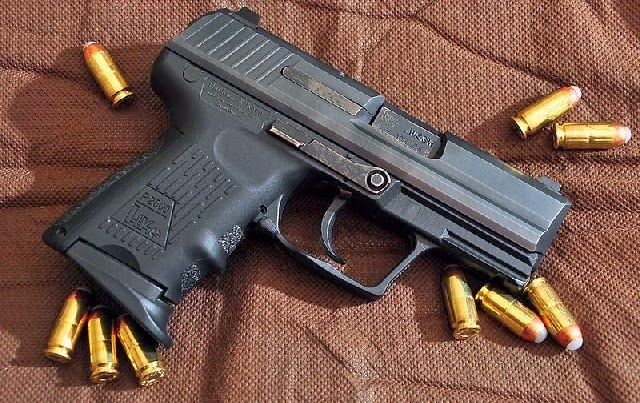
When you’re chasing the biggest bang for the buck, a few **popular rounds with the lowest cost-per-round** stand out immediately. 9mm Luger is the king of cheap plinking, often dipping below 22–25 cents per round for bulk FMJ, making it perfect for high-volume practice. Right behind it, .22 LR crushes everything at 5–8 cents a round, letting you shoot all day for pocket change. For rifle shooters, 5.56 NATO and .223 Remington hover around 40–50 cents per round in bulk, while 7.62x39mm—especially steel-case imports—can drop to 35–45 cents, giving you serious power without wrecking your wallet.
| Round | Typical Cost/Round (Bulk) | Best For |
|---|---|---|
| .22 LR | $0.05–$0.08 | Cheap training, plinking |
| 9mm | $0.22–$0.25 | Pistol practice |
| 7.62x39mm | $0.35–$0.45 | Rifle fun on a budget |
| 5.56 NATO | $0.40–$0.50 | AR-15 range 7mm PRC Ammo for Sale time |
Less Common Calibers That Offer Big Savings per Box

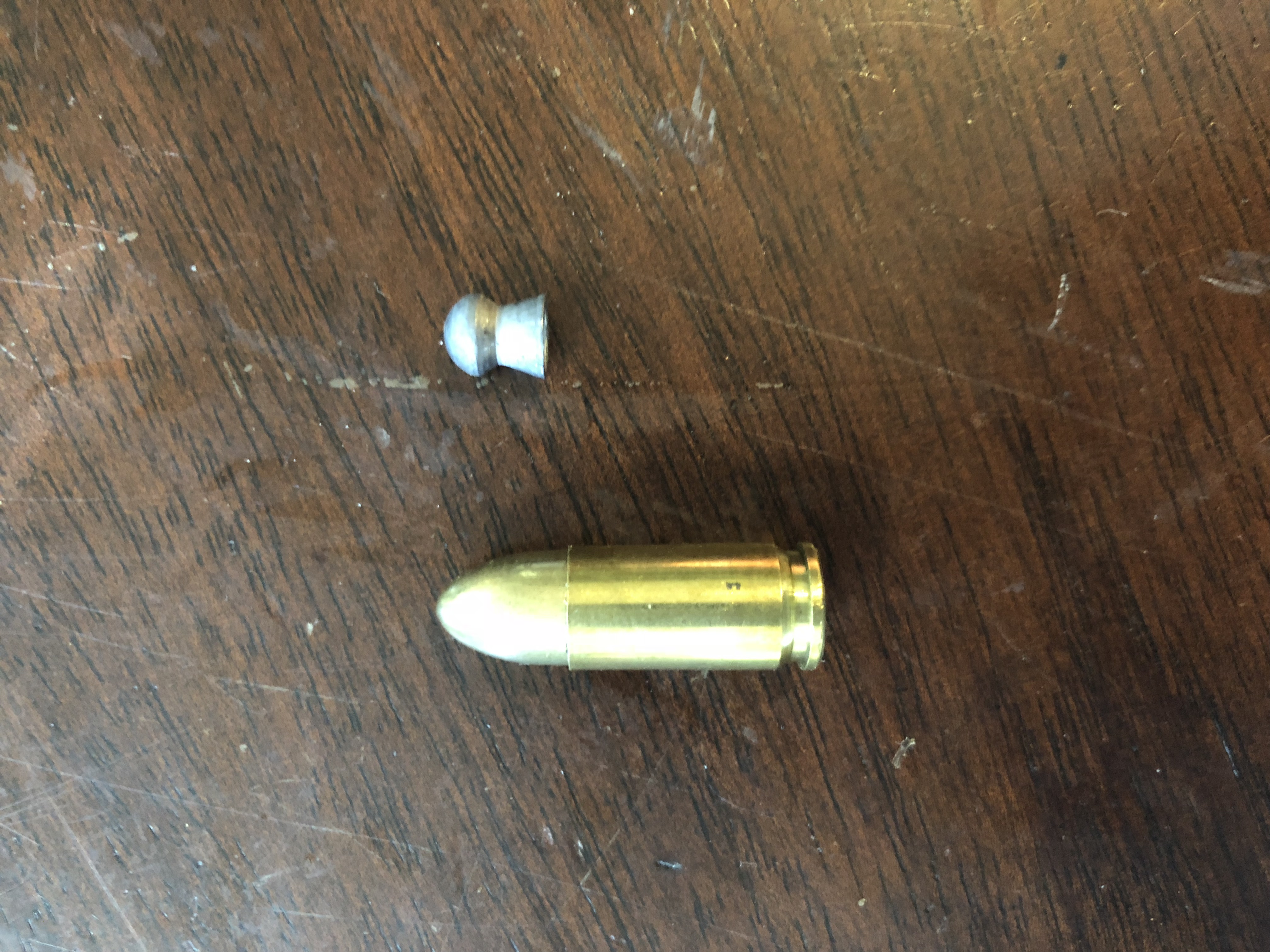
While mainstream calibers like 9mm or .223 carry premium pricing, less common calibers that offer big savings 7.62×51 Ammo for Sale per box reward shooters who adapt. For example, 7.62×25 Tokarev and .32 ACP often cost 20–40% less per round than their popular counterparts because demand is niche, not because quality is low. Similarly, .30 Carbine, .38 S&W, and 5.45×39 (if you own a compatible rifle) frequently sit at clearance prices due to slower retail turnover. To capitalize:
- Check surplus dealers for milsurp calibers like 7.62×54R or 8mm Mauser, often sold in bulk tins.
- Buy odd pistol rounds like .25 ACP or .380 Revolver in full boxes; stores slash prices on slow movers.
- Test a single box first—if reliable, stock up before vendors reprice.
These calibers fly under the radar, so per-box 5.7x28mm Ammo for Sale costs stay low while performance remains adequate for plinking or defense. The key is verifying your firearm’s compatibility before diving in.
Buying in Bulk vs. Small Boxes: What Actually Saves You More
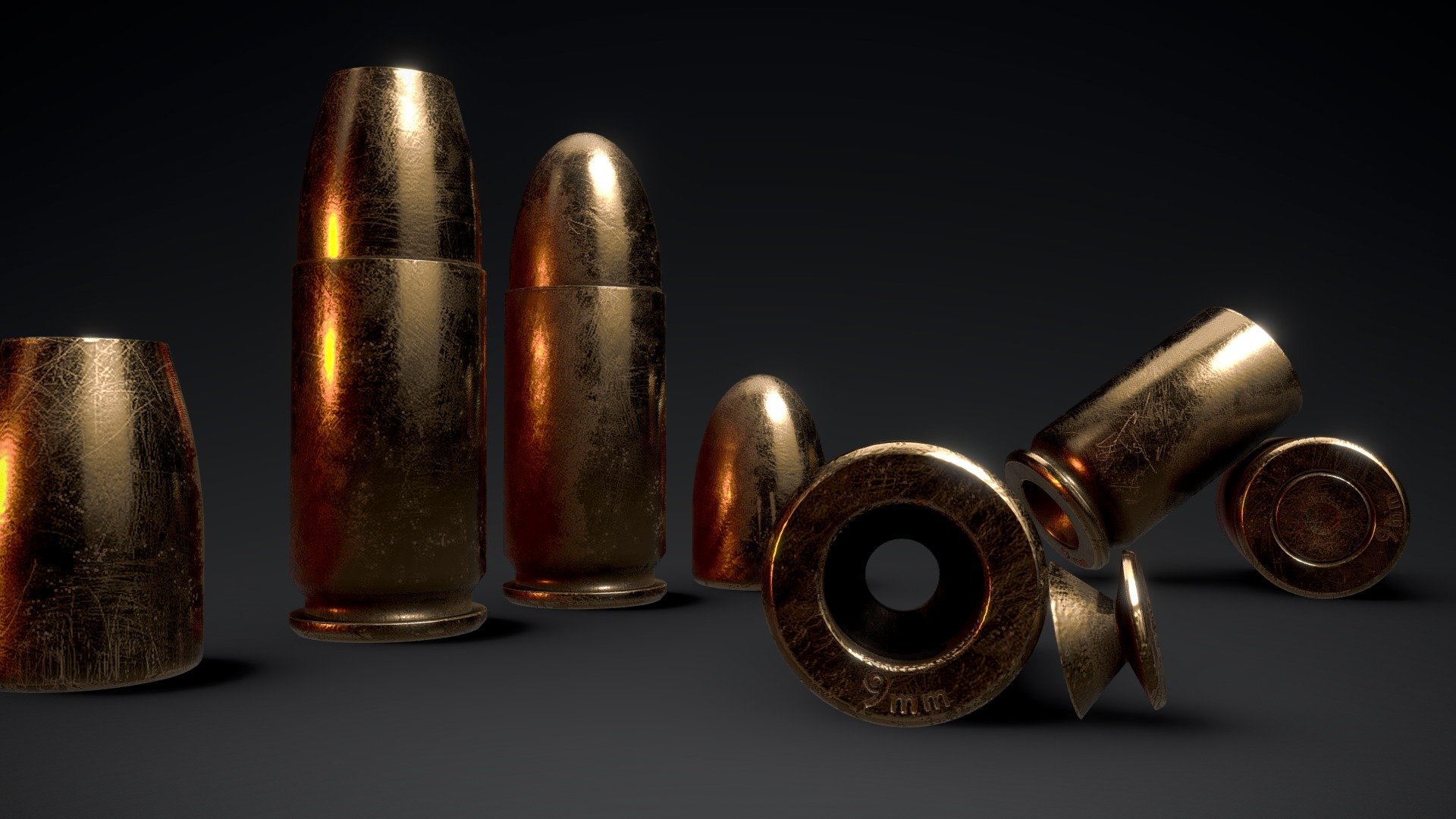
Buying bulk ammunition almost always beats small boxes on cost-per-round, often by 20–40%, because you’re paying for projectile, case, and powder—not the cardboard and shelf-stocking labor. However, that savings only materializes if you actually shoot enough to rotate stock before primers degrade or humidity affects sealant. For a casual plinker firing 50 rounds a month, a single 500-round case sits for years, and you may eat that “discount” in duds or corrosion. A smart middle path: buy two small boxes first to verify your firearm cycles that exact load, then commit to a case only if it’s a proven lot. Q: 5.56 Ammo for Sale When is a small box smarter? A: When testing a new brand, traveling, or if you lack dry storage—because a wasted 20-round box costs $6, but a ruined 1,000-round case costs $150. Bulk wins only if you shoot frequently and store sealed ammo in a cool, low-humidity spot; otherwise, small boxes are the true budget move.

Calculating Cost Per Round for Different Purchase Sizes
To decide if bulk buying truly cuts costs, calculate the price per round by dividing the total box price by the number of cartridges. A 50-round box at $15 yields $0.30 CPR, while a 500-round case at $130 drops to $0.26 CPR—a 13% saving. Always compare across three sizes: the smallest box, a mid-range option, and the largest case. Sequence: 1) note the exact round count on the label, 2) divide total cost by that count, 3) normalize to a per-100-round figure for easy comparison. Calculating cost per round for different purchase sizes exposes hidden premiums, like a 20-round box often costing 40% more per shot than a 100-round value pack. Ignore shelf prices; rely solely on this math.
When to Skip Bulk Deals and Stick with Smaller Quantities
Bulk deals on cheap ammunition lose their value when you’re testing a new firearm or load for the first time. Smaller quantities prevent costly lockup if the round fails to cycle or shoots inaccurately. Similarly, skip the 1,000-round case when you only need a few boxes for a weekend class or zeroing session—shelf life matters if you store ammo in humid conditions. Oddball calibers or seasonal hunting loads are especially risky in bulk because your needs may shift before you finish the crate. Stick with 20–50 round boxes when budget is tight this month; the per-round savings mean nothing if you overextend and can’t buy essentials.
Skip bulk deals when testing fit, storing long-term, or facing limited immediate use—smaller boxes avoid waste and hidden costs.
How to Test Inexpensive Loads for Accuracy and Function
Testing inexpensive loads for accuracy and function requires a staged, controlled approach to isolate variables. Begin .17 WSM Ammo for Sale by firing five-round groups from a stable rest at a fixed distance, recording each lot’s point of impact and group size; cheap ammunition often varies batch-to-batch, so test multiple boxes from different production codes. For function, run the load through your specific firearm’s action—semi-autos need cycling tests with weak and strong recoil springs to expose feed or ejection failures, while bolt guns require checking for stuck cases or hard extraction. Chronograph velocity spread is the crux; a low-cost load with extreme velocity deviations will shift impact unpredictably, so shoot ten rounds over a chrono and discard any lot with extreme spread exceeding 50 fps.
Always shoot a fouling series first—cheap ammo’s dirty powder can produce misleading accuracy on a clean barrel.
Finish with a magazine-overload test, loading one extra round to force double-feed scenarios, confirming the cheap load doesn’t bind under stress.
Simple Drills to Compare Cheap Brands Against Premium Ones
To isolate value, build a simple comparative accuracy drill using one firearm, a solid rest, and identical targets at 50 yards. Fire five consecutive five-shot groups with a budget brand, then immediately repeat with a premium control load—without adjusting the optic or changing conditions. Record group diameters, but also track failures like primers piercing or erratic velocities. Next, run a malfunction drill: chamber ten rounds from each brand, firing with a deliberate slow trigger press to spot feed or ejection issues. Finally, perform a point-of-impact shift test—zero with premium, then fire ten cheap rounds; measure any group center movement. This isolates consistency, not just precision, making the price gap objectively quantifiable.
Fixed-distance group comparison, malfunction checks, and zero-shift measurement sidestep hype, revealing which budget brands truly outperform their price tag against premium ammunition.
What Malfunctions to Watch For and How to Fix Them

When testing inexpensive ammunition, monitor for common malfunction patterns linked to cost-cutting. A squib load (weak report, no recoil) demands an immediate stop, clearing the bore with a rod before resuming. Failure-to-eject is often caused by underpowered primers or inconsistent powder charges; switch to a hotter lot or clean the extractor channel. Light primer strikes indicate hard primers or a weak hammer spring—test the same ammo in another firearm to isolate the cause. For feed ramps snagging on deformed bullets, polish the ramp and avoid rounds with visibly crimped or bent noses, as these are the first to jam.
- Fixed a squib? Verify the bore is clear with a flashlight and rod; never fire again until confirmed.
- Recurring stovepipes? Inspect for split cases or malformed rims; discard the entire box if multiple occur.
- Failure to return to battery? Check for burrs on the case mouth specialty sports & supply and trim or toss those specific cartridges.
Tips for Finding Discounted Ammo Online and In-Store
To score cheap ammunition, start by stacking discounts: hunt for manufacturer rebates on bulk boxes, then pair them with a retailer’s free-shipping code to cut the real cost per round. In-store, ask about price-matching policies—many big-box shops will match online listings if you show them on your phone, but savvy buyers know clearance racks are goldmines, since staff rarely reprice old stock to match current deals. Sign up for email alerts from three or four major ammo sellers, but ignore the “sale” hype—filter specifically for brass-case rounds under your target price. Always calculate cost-per-round before adding to cart, and never ignore local gun show last-hour deals, where vendors often slash prices to avoid hauling heavy crates back home. Finally, check forum “deal of the day” threads—they’re faster than any retailer’s own advertising.
Using Price Comparison Tools and Deal Alerts Effectively
To secure cheap ammunition, treat price comparison tools as your baseline, not your final step. Aggregator sites like AmmoSeek or WikiArms scan dozens of retailers, but you must filter results by shipping cost and 7.62x54R Ammo for Sale tax to see the true per-round price. Pair this with deal alerts—set a target price per caliber (e.g., 40 cents per round for 9mm) and let the tool notify you only when that threshold is met. Avoid impulse buys on “sale” banners; instead, use historical price graphs within these tools to verify the deal is genuinely low. Effective deal alerts require precise price thresholds, not vague “in stock” notifications. Also, check retailer-specific alerts, as some stores offer exclusive email-only discounts not indexed by aggregators.
Q: How often should I check price comparison tools for ammo?
Set alerts to trigger at your target price, then check the aggregator weekly. Daily manual checks waste time, but a properly configured alert will catch short-lived flash sales automatically.
Hidden Fees and Shipping Costs That Ruin a Good Deal
A rock-bottom price per box means nothing if the checkout cart sneaks in a hefty hazmat fee or a shipping charge that quietly doubles your total. Always click through to the final order screen before celebrating, because some retailers bait with low ammo prices and then hit you with oversized package surcharges. Even “free shipping” thresholds can trap you into buying extra boxes you don’t need just to qualify. Compare the all-in landed cost—ammo plus delivery—against your local store’s shelf price, especially for heavy calibers. Hidden shipping costs can instantly turn a great deal into a bad one, so factor them into every comparison before you commit.
Always calculate the true final cost—ammo price plus hazmat and shipping fees—before you hit buy, or a “cheap” deal will quietly become the most expensive one.
Practical Uses for Value-Priced Ammunition: Range Practice, Plinking, and More
Value-priced ammunition is the workhorse for 7.62×39 Ammo for Sale range practice, letting you burn through hundreds of rounds per session without wincing at the cost. That repetition builds muscle memory for draws, reloads, and trigger control—skills that matter more than the brand of brass you’re using. For plinking, cheap ammo turns a tin can or steel target into hours of low-pressure fun, perfect for introducing new shooters to the hobby without financial guilt. Beyond that, budget rounds are ideal for function testing magazines and holsters, since you’ll want to expose malfunctions with inexpensive cartridges before trusting pricier defensive loads. Even accuracy zeroing works fine with value ammo’s consistent enough bullet weights, saving your premium stash for carry or competition. Just save the fancy stuff for when precision really counts.
Matching Cheap Rounds to the Right Shooting Activity
Matching cheap rounds to the right shooting activity hinges on matching bullet construction to your goal. For casual plinking at steel or paper, full metal jacket (FMJ) rounds are ideal—they feed reliably and reduce barrel fouling, keeping costs predictable. Reserve hollow points or soft points for short-range varmint control, where expansion matters more than precision. For high-volume practice, prioritize low-recoil loads in your carry caliber to train flinch control without wasting premium defensive ammo. Avoid using cheap surplus or steel-cased rounds in precision rifle work, as inconsistent powder charges undermine accuracy. Instead, save those for malfunction drills or rapid-fire sessions where grouping is secondary. Always verify your firearm’s twist rate and chamber pressure: a light, cheap round that cycles a competition pistol may fail to lock the slide on a compact carry gun.
| Activity | Best Cheap Round Type | Key Reason |
|---|---|---|
| Plinking | FMJ, standard pressure | Reliable cycling, low cost per shot |
| Defensive practice | Low-recoil FMJ in carry caliber | Replicates recoil without premium price |
| Varmint control | Soft point, short range | Expansion on target, minimal overpenetration |
| Rapid-fire drills | Steel-cased or surplus | Acceptable accuracy, budget-friendly wear |
| Precision target | Match-grade but inexpensive brands | Consistent powder and bullet weight |
Why Budget Ammo is Often Best for High-Volume Sessions
For high-volume sessions, budget ammunition’s cost efficiency directly enables more trigger time, which is the core driver of skill development. Shooting 500 rounds of value-priced ammo costs .17 HMR Ammo for Sale the same as 150 premium rounds, letting you practice recoil control, sight alignment, and malfunction drills without financial hesitation. Because budget loads often use lighter projectiles or reduced powder charges, they also produce lower felt recoil, reducing fatigue during extended range trips. This consistency is key: standard-pressure, inexpensive rounds replicate your defensive load’s point of impact closely enough for drills, while the higher round count accelerates muscle memory. The tradeoff—slightly wider accuracy dispersion—is irrelevant at typical practice distances of 7–15 yards, where your skill, not the cartridge, limits performance.
