
Provenance counts for more than stitching does
The single most reliable test of a Marc Jacobs bag is not a stitch count, but the paperwork. The warranty is conditional on where the bag came from, because the item must have been bought from an authorized Marc Jacobs vendor while proof of purchase is mandatory. A genuine bag bought from an unauthorized seller https://jacobs-clothing.com/ therefore lands in the same place as a fake Marc Jacobs bag: no warranty, no repair route. That single condition reorders the whole checklist, since the seller turns into the first thing to establish and the last thing to compromise on. The real vs fake Marc Jacobs comparisons online fixate on stitching and logos, which are the parts a good copy gets closest to.
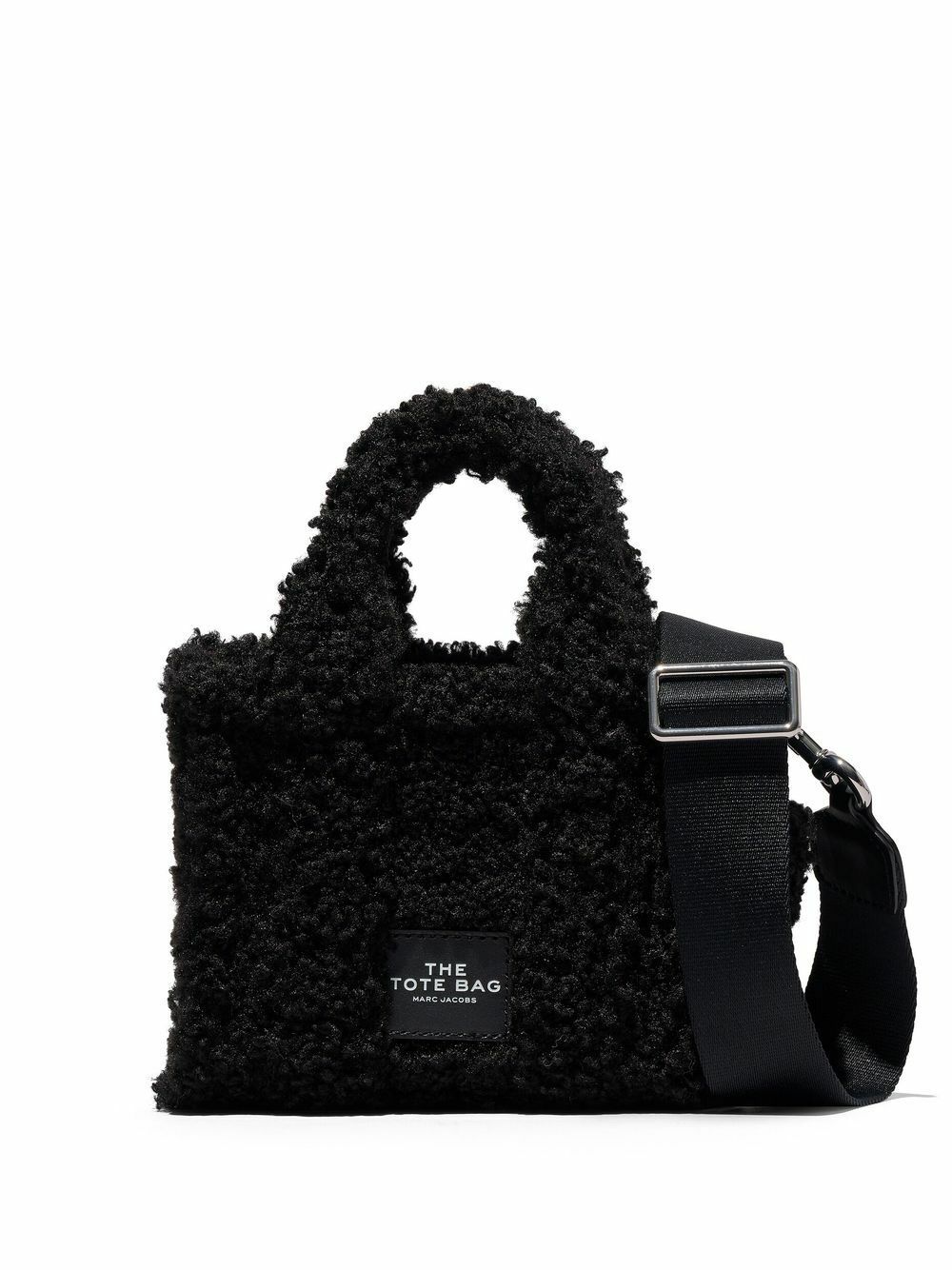
| Check | What a genuine bag will show | Warning signal |
|---|---|---|
| Style numbers | Agrees with the brand’s page for that style | No tag photo at all, or a number that returns nothing |
| The material spec | The material, lining and pockets as published | A material the brand does not use on that bag |
| Hardware | Engraving that reads consistently; branding debossed into leather | Thin fittings, mismatched finishes, printed logos |
| Linings | Named lining such as faille or cotton twill | Loose, puckered or slick thin synthetic |
| The strap | Thick webbing, correct length and configuration | Flimsy webbing, or a crossbody strap on a Large tote |
| Price | Near the published price, or else an official markdown | Far below it, from a seller you cannot verify |
| Seller | Authorized vendor who supplies proof of purchase | Unconfirmable seller, or a seller offering an authenticity card |
1. Check the style number on the interior tag against the product page
A style number sits on the interior tag of Marc Jacobs authentic bags, and that number is the fastest thing to check. The Canvas Medium Tote Bag is M0016161, and The Snapshot listed at about $325 on marcjacobs.com, in the US, as of September 2026 is 2S3HCR500H03. Ask the seller to photograph the tag before you pay, then set it against the material, dimensions and pockets the brand’s page returns. A number that returns nothing, or that returns a different bag, ends the conversation there. A tag that is blurred in every photograph amounts to the same answer in slower form. Two points follow: the brand does not issue authenticity cards, so a seller who offers one has told you something useful, and the singular spelling marc jacob is a search phrase, never the brand’s own, so a tag spelled that way is wrong.
2. Read the published material spec, line by line
The material and the fittings are listed on each product page, and a copy usually misses at least one line. The Snapshot comes in Saffiano leather with a faille lining, a dual top zipper, one interior and one exterior slip pocket, and a removable webbing strap, at about 7 by 2 by 4 inches. The Canvas Medium Tote Bag is cotton canvas carrying a top zip, one interior zip pocket, two slip pockets and a removable webbing strap. The leather Tote Bags use full-grain leather with branding pressed in rather than printed. Check the listing against those lines, and not against your memory of a bag you once saw. Where a seller names a material the brand does not use for that style, the listing is wrong no matter what else looks right.
3. Judge hardware and zippers on finish, not on brand names
On The Snapshot, the signature double-J hardware and dual top zipper are the parts most often copied badly. Across every metal part the engraving should be consistent, and leather totes should show branding pressed in rather than sitting on top. The one thing you cannot use is the zipper brand, since published sources are in disagreement: a camera-gear publication names YKK while authentication blogs name riri, and nobody has reconciled them. The name on a zipper pull neither proves nor disproves a bag. Weight and finish are the better test, so thin, light or roughly finished fittings are worth attention. Mismatched finishes between the pull, the feet and the strap clips say more than any one part on its own.
4. Open it and look at the lining
Linings are named per style and are easy enough to get wrong in a copy. The Snapshot uses a faille lining, while the Belted Sack Bag uses cotton twill. An interior dividing wall creating two compartments is also described in published guidance on The Snapshot, plus a leather tag embossed with the brand’s initials inside. A lining that is loose, puckered or a slick thin synthetic is worth pausing over, particularly when the exterior looks convincing. Buying secondhand, photograph the interior in daylight and compare it with the official images for that style number. An interior a seller will not show you gives the clearest possible answer to the question you asked.
5. Check how the strap is built and attached
The removable webbing strap is central to both flagship styles, and it is a common point of weakness in copies. On The Snapshot the strap runs about 57 inches with a drop of about 27 inches, and published guidance describes a thick, stiff strap with a correctly shaped leather notch. Flimsy webbing, a strap that curls, or a notch cut to the wrong profile amounts to a warning that costs nothing to check. Configuration matters too, because the Small, Medium and Crossbody Tote Bags include a removable crossbody strap, while the Large does not. A large canvas tote advertised with a crossbody strap fails to match the brand’s own build. Straps are sold on their own, so by itself an unusual strap on a genuine body proves nothing.
6. Put the price through a sanity check
Price is not proof; it is simply the cheapest filter available. The Canvas Medium Tote Bag runs about $198 and The Snapshot about $325 on marcjacobs.com in the US as of September 2026, and prices vary by country and they change. There is one complication: every price on the brand’s own site is labeled a sale price, including full-price items, and only a genuine reduction shows a regular price alongside it. Inside the official markdown section in late September 2026, reductions ran from roughly a quarter to about half off, on past-season prints rather than core styles. A current-season Snapshot offered far below that, by a seller you cannot verify, is telling you what it is. Read deep discounts outside that section as a question rather than a bargain.
7. Verify the seller ahead of anything else
This check comes last in the list and first in practice. The warranty names an authorized Marc Jacobs vendor without publishing, in that same place, a checkable list of who qualifies, so treat any seller you cannot confirm as unconfirmed. That holds for familiar retail names as much as for unknown ones. A real anti-counterfeiting program is run by the brand, which says in its filings that it investigates suspicious online stores and has named large marketplaces as counterfeit channels, so a well-known platform is not an authorized seller. A marketplace listing sits one step further away again, since the platform is not the seller. Marc Jacobs is publicly covered by at least one authentication service, which names The Snapshot, while another major service does not cover the brand in any form.
Where a Marc Jacobs bag can be bought safely
The safest routes are the ones that produce the kind of receipt the brand will accept. Buying from marcjacobs.com or a Marc Jacobs boutique does that, and product pages offer a find-in-store option if you would rather handle the bag first. As listed in September 2026 the network runs to about 103 locations, roughly 46 boutiques plus 57 outlets, and that split matters more than the total. Outlet merchandise counts as final sale and cannot be returned, exchanged, repaired or replaced, which leaves genuine outlet bags outside the warranty. US online orders can be sent back within 30 days of shipment with a free label, while there are no exchanges and stores will not take online returns. The ownership changed on 1 September 2026, as WHP Global and G-III Apparel Group completed their acquisition from LVMH; the terms here are those published since.
What is lost with a fake or an unauthorized seller
The losses involved are concrete rather than moral. A fake carries no warranty, no repair path and no return window at all, and a genuine bag from an unauthorized seller sits in the same position, since the cover is conditional on provenance. The warranty runs one year, and it runs against manufacturing defects, requires proof of purchase, and can take up to six weeks for approved repairs. Even inside it, the brand does not clean or refurbish handbags and does not replace piping, so the ceiling is lower than many buyers assume. You also forfeit the price adjustment offered on full-price items when the price falls within 30 days, which is limited to one per order and excludes sale items. None of that can be recovered afterwards, which is why the seller check is worth more than any stitch you could photograph.
